


16 Must-Read Trading Books in 2026: A Curated Library for Traders
The best trading books combine timeless market wisdom with practical strategies that work in today’s markets. Whether you’re learning options trading, developing your market psychology, or building long-term wealth strategies, the right books can accelerate your growth by decades. We’ve curated 13 essential trading books that every serious trader and investor should read, organized by the specific skills they’ll help you develop. These aren’t just theoretical texts — they’re battle-tested guides from traders and investors who’ve navigated real markets and built lasting success. For a deeper look, check out our guide on our guide to options trading alerts.
The most successful traders read across multiple categories — combining technical skills with market psychology and historical perspective. Focus on one category at a time, but build a complete foundation across all areas of market knowledge.
What Makes a Trading Book Worth Reading?
The best trading books share three characteristics: they’re written by practitioners who’ve traded real money, they focus on principles that work across different market conditions, and they help you develop both technical skills and mental discipline. Too many trading books are written by academics or journalists who’ve never risked their own capital.
We’ve organized our recommendations into five categories that cover the complete spectrum of trading and investing knowledge. Start with trading psychology if you’re struggling with emotional decisions, dive into technical analysis if you need better entry and exit strategies, or explore market history if you want to understand the bigger picture. For a deeper look, check out our guide on VWAP and other technical indicators.
Read one book from each category before diving deep into your area of interest. This builds a complete foundation and helps you understand how different aspects of trading connect.
Trading Psychology: Master Your Mental Game
Trading psychology separates profitable traders from everyone else. These books teach you how to manage emotions, develop discipline, and think like a professional trader when money is on the line.
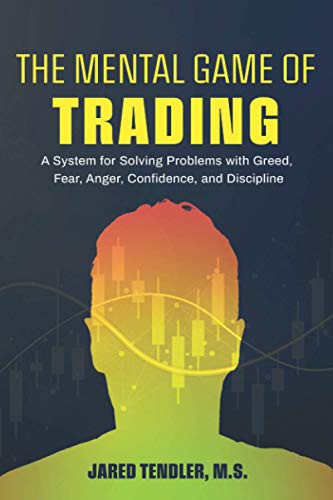
The Mental Game of Trading
by Jared Tendler
Tendler applies performance psychology principles to trading, showing you how to identify and fix the mental leaks that destroy profitability. The key lesson: most trading problems aren’t about strategy — they’re about execution under pressure. Perfect for traders who know what to do but struggle to do it consistently when real money is at stake.
Best Loser Wins
by Tom Hougaard
Hougaard argues that learning to lose well is more important than winning, and shows you how to develop the mental resilience needed for long-term trading success. The most important insight: your relationship with losing determines your ultimate profitability. Best suited for traders who get emotionally attached to individual trades and struggle with drawdowns.
The Daily Trading Coach
by Brett Steenbarger
Steenbarger provides practical exercises and techniques for developing trading discipline and self-awareness. The core message: you must become your own trading coach to reach consistent profitability. Ideal for intermediate traders who want structured methods for improving their mental game and developing better trading habits.
Technical Analysis & Trading Systems: Build Your Edge
These books teach you how to read charts, identify high-probability setups, and develop systematic approaches to the markets. They focus on practical techniques that work across different timeframes and market conditions.
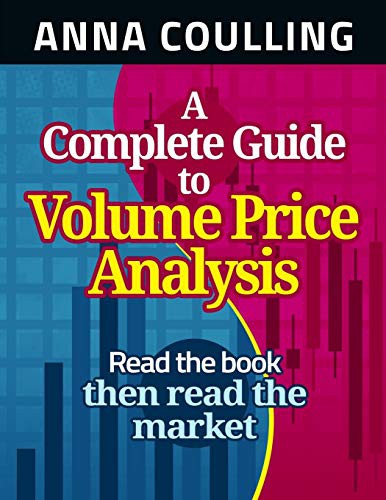
Volume Price Analysis
by Anna Coulling
Coulling explains how to use volume and price together to understand market sentiment and identify high-probability trading opportunities. The key insight: volume reveals the truth behind price movements and helps you spot when trends are real or fake. Essential reading for day traders and swing traders who want to improve their entry and exit timing.
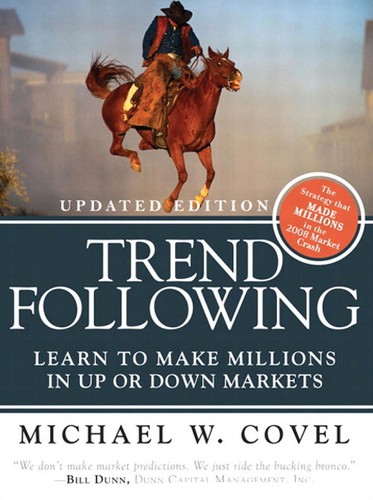
Trend Following
by Michael Covel
Covel profiles successful trend-following traders and explains the principles behind systematic trend-following strategies. The most important lesson: you don’t need to predict market direction — you just need to follow price momentum and manage risk properly. Perfect for traders who want to develop mechanical systems and remove emotion from their decision-making.
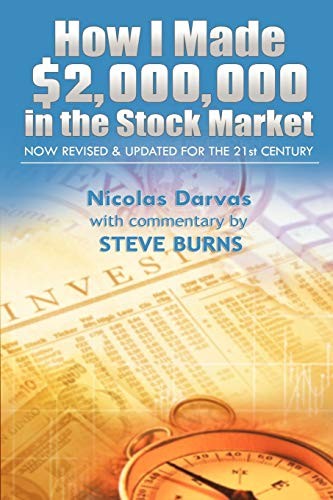
How I Made $2,000,000 in the Stock Market
by Nicolas Darvas
Darvas describes his “box theory” method for identifying breakout stocks and riding major trends. The key principle: focus on stocks making new highs with strong volume, and let your winners run while cutting losers quickly. Best for swing traders and growth stock investors who want to learn a simple but effective momentum-based approach.
Want to see these concepts in action?
Our detailed trade alerts show you exactly how we apply technical analysis and risk management to real options trades. For a deeper look, check out our guide on understanding breakeven price in options.
See How We Break Down Trades →Options Trading: Master the Derivatives Market
Options trading requires a specialized knowledge base beyond general stock trading. These books teach you the mechanics of options contracts, how to evaluate pricing, and how to select strategies that match your market outlook and risk tolerance. Whether you’re learning what stock options are for the first time or ready to master volatility-based strategies, these are the essential reads.
A financial contract giving you the right (but not obligation) to buy or sell 100 shares of stock at a specific price by a certain date. Think of it as a reservation system for stocks — you pay a premium to lock in a price, then decide later whether to exercise that right.
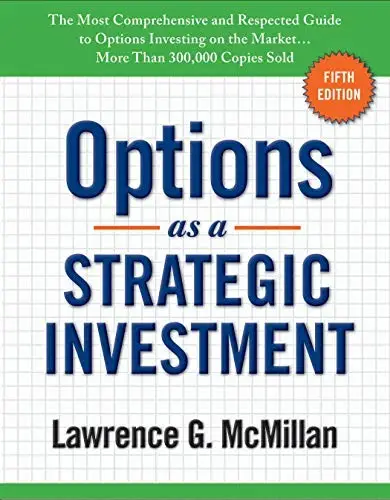
Options as a Strategic Investment
by Lawrence McMillan
McMillan’s comprehensive 1,000-page reference covers every options strategy from basic calls and puts to advanced volatility trading. This is the book professional options traders keep on their desk. The key insight: understanding the full range of available strategies lets you match the right approach to every market condition. Best suited for serious traders who want exhaustive coverage of options mechanics, pricing, and risk management.
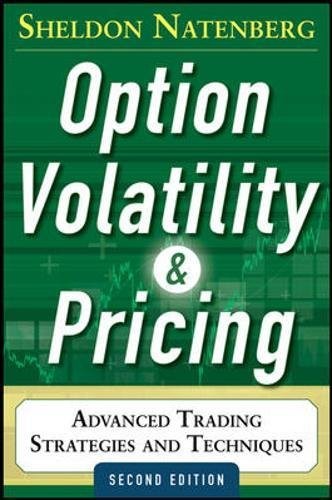
Option Volatility and Pricing
by Sheldon Natenberg
Natenberg’s guide is considered the definitive resource on understanding how volatility affects options pricing and how to use that knowledge for better trading decisions. The core lesson: volatility is the single most important factor in options pricing, and traders who understand it have a massive edge over those who don’t. Essential for anyone serious about trading options beyond basic directional bets.
Getting Started in Options
by Michael Thomsett
Thomsett’s beginner-friendly guide explains options in plain English without overwhelming jargon. He focuses on conservative strategies like covered calls and protective puts that new traders can implement safely. The biggest strength: Thomsett assumes zero prior knowledge and builds concepts logically, making this the perfect first options book for someone transitioning from stock trading.
| Essential Topic | Why It Matters | Time to Master |
|---|---|---|
| Options Mechanics | Foundation for every strategy | 2-4 weeks |
| The Greeks | Understanding price movement | 2-3 months |
| Volatility | Single biggest pricing factor | 3-6 months |
| Risk Management | Prevents catastrophic losses | Ongoing |
Start with Thomsett for fundamentals, then graduate to Natenberg for volatility mastery. Keep McMillan on your desk as the reference you’ll return to for years. Understanding option greeks and implied volatility is what separates profitable options traders from everyone else.
Want to see options strategies applied to real market setups?
Our trade alerts break down every options play with full analysis — strike selection, risk management, and the reasoning behind each trade.
See How We Break Down Trades →Investing & Market Structure: Build Long-Term Wealth
These investing classics teach you how to evaluate companies, understand market cycles, and build wealth over time. They complement short-term trading strategies with long-term perspective and fundamental analysis skills.
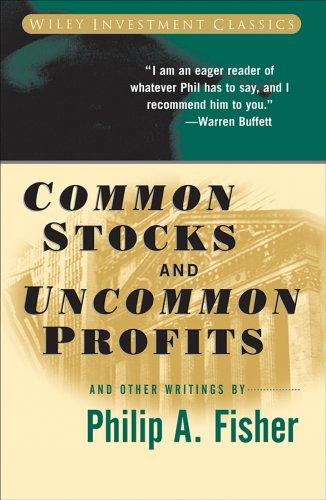
Common Stocks and Uncommon Profits
by Philip Fisher
Fisher introduces growth investing principles and his famous “scuttlebutt” method for researching companies through multiple sources. The key insight: buy excellent companies with strong management and hold them for years, not months. Essential for traders who want to identify strong underlying companies for their options strategies and long-term positions.
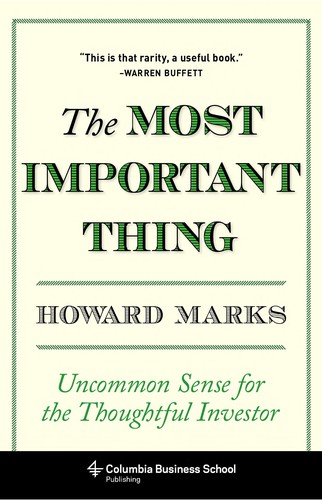
The Most Important Thing
by Howard Marks
Marks explains how to think about risk, market cycles, and contrarian investing based on decades of experience managing billions in distressed debt. The most important concept: understanding where you are in market cycles and adjusting your risk accordingly. Perfect for intermediate to advanced traders who want to develop better market timing and risk management skills.
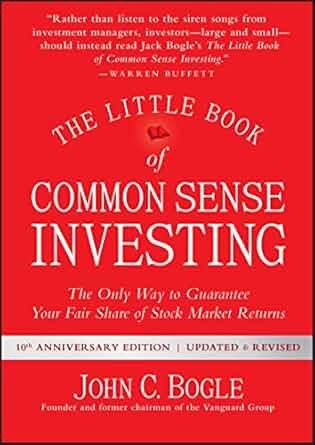
The Little Book of Common Sense Investing
by John Bogle
Bogle makes the case for low-cost index fund investing and explains why most active strategies fail to beat the market after fees. The core lesson: costs matter enormously in long-term returns, and simplicity often beats complexity. Valuable for all traders as a reality check and foundation for long-term wealth building outside of active trading.
Even if you’re focused on short-term options trading, understanding long-term investing principles helps you identify strong underlying stocks and avoid trading against major trends.
Market Perspective & History: Learn from the Past
Market history books teach you how markets really work and help you avoid repeating common mistakes. They provide context for current events and help you develop the long-term perspective needed for trading success.
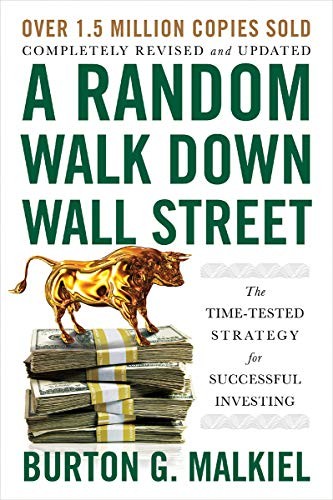
A Random Walk Down Wall Street
by Burton Malkiel
Malkiel presents the efficient market hypothesis and argues that stock prices follow a random walk that can’t be predicted consistently. The key insight: markets are more efficient than most people believe, which means you need real edge to profit from active trading. Essential reading for understanding the academic perspective on markets and developing realistic expectations.
Business Adventures
by John Brooks
Brooks tells fascinating stories of major business events and market episodes, showing how human psychology drives market behavior. The most valuable lesson: the same patterns of greed, fear, and irrationality repeat throughout market history. Perfect for traders who want to understand market psychology and learn to recognize recurring patterns in different contexts.
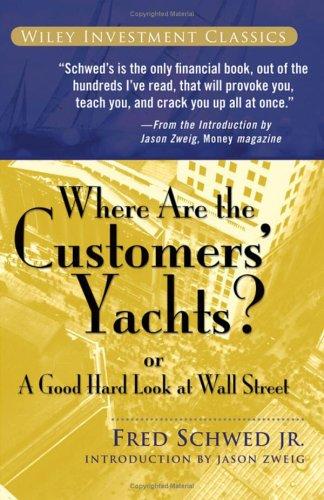
Where Are the Customers’ Yachts?
by Fred Schwed
Schwed provides a humorous but insightful look at Wall Street’s incentives and why most financial advice serves the advisor more than the client. The key message: be skeptical of anyone selling you investment advice and understand that most market participants are looking out for themselves first. Crucial for developing the independent thinking needed for successful trading.
Wealth & Mindset: Think Like the Rich
Building lasting wealth requires the right mindset about money, risk, and opportunity. This category teaches fundamental principles that apply whether you’re trading options or building a business.
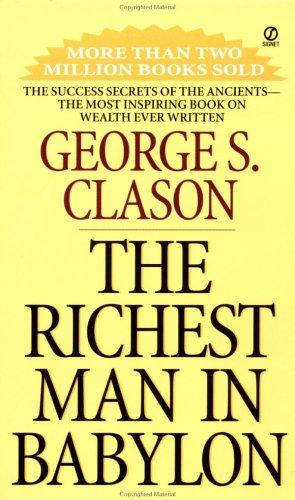
The Richest Man in Babylon
by George Clason
Clason uses ancient Babylonian parables to teach timeless wealth-building principles like paying yourself first and making your money work for you. The fundamental insight: wealth building follows simple principles that anyone can apply regardless of income level. Essential for beginning traders who need to develop proper money management habits and long-term thinking about wealth.
How to Get the Most From Trading Books
Reading trading books effectively requires a different approach than casual reading. You’re not just consuming information — you’re building a mental framework for making decisions under pressure with real money at stake.
Start by reading actively, not passively. Keep a notebook and write down key concepts, questions, and how you might apply specific ideas to your trading. The act of writing helps cement important concepts in your memory and forces you to think through practical applications.
Don’t try to implement everything you read immediately. Pick one or two concepts from each book and master them before moving on to new techniques.
Read books in the right order for your current needs. If you’re struggling with emotional trading, start with psychology books before diving into technical analysis. If you have good discipline but need better entries, focus on technical analysis first. Build on your strengths while addressing your biggest weaknesses.
Reread the best books annually. Market principles don’t change, but your understanding deepens with experience. You’ll catch insights on the second or third reading that you missed initially because you didn’t have the context to understand them.
| Reading Strategy | Best For | Time Investment |
|---|---|---|
| Complete category focus | Beginners building foundation | 2-3 months per category |
| Problem-solving approach | Intermediate traders with specific issues | 1 book per identified weakness |
| Annual review rotation | Advanced traders maintaining edge | 1-2 books per quarter |
Finally, supplement your reading with practical application. Paper trade new techniques before risking real money, and keep a trading journal to track which concepts actually improve your results. The goal isn’t to read more books — it’s to become a better trader.
Frequently Asked Questions
Should I read trading books in a specific order?
Start with one psychology book to build mental discipline, then move to technical analysis for practical skills, followed by market history for perspective. Within each category, begin with the most fundamental concepts before advancing to specialized techniques. Your trading experience level matters more than following a rigid sequence.
How many trading books should I read per year?
Quality beats quantity in trading education. Most successful traders read 6-12 books per year, focusing on deep understanding rather than speed. It’s better to thoroughly absorb three excellent books than to skim through twenty mediocre ones. Reread the best books annually to deepen your understanding.
Are older trading books still relevant in today’s markets?
The best older books remain highly relevant because they focus on timeless principles of human psychology and market behavior rather than specific techniques. Books like “The Richest Man in Babylon” and “Where Are the Customers’ Yachts?” are more valuable today than most recent publications because they teach fundamental truths about markets and money.
Should I focus on books about my specific trading style?
Read broadly across all categories even if you specialize in one trading approach. Day traders benefit from understanding long-term investing principles, and position traders need to understand short-term market psychology. The most successful traders combine insights from multiple approaches to develop their edge.
How do I know if a trading book is worth reading?
Look for books written by practitioners who’ve traded their own money successfully over multiple market cycles. Check if the author focuses on risk management and psychology, not just profit techniques. Avoid books that promise easy money or guaranteed systems — the best books emphasize the difficulty and discipline required for trading success.
What is the best book for learning options trading from scratch?
“Getting Started in Options” by Michael Thomsett is the best starting point for complete beginners. It assumes zero prior options knowledge, explains terminology in plain English, and focuses on conservative strategies like covered calls and protective puts that new traders can implement safely. Once you’ve mastered the basics, move to Natenberg’s “Option Volatility and Pricing” for intermediate concepts.
Do I need to read options-specific books if I already trade stocks?
Yes. Options trading involves entirely different mechanics than stock trading — time decay, volatility impact, and multi-dimensional risk that stocks don’t have. Even experienced stock traders need dedicated options education before trading derivatives. McMillan’s “Options as a Strategic Investment” is the definitive reference that bridges the gap between stock and options knowledge.
For additional reading recommendations, check out Investopedia’s comprehensive trading book list and browse Amazon’s business and investing bestsellers for current popular titles.
See how we apply these trading principles in our detailed trade alerts, complete with entry strategies, risk management, and educational breakdowns.
Explore Our Trade Alerts →Explore more trading guides to keep sharpening your edge.
Disclaimer: Pure Power Picks is not a licensed financial advisor. All content is for educational and informational purposes only and should not be considered investment advice. Options trading involves substantial risk of loss and is not suitable for all investors. Past performance does not guarantee future results.

The PPP Team brings decades of combined experience from some of the most well-known companies in the trading industry. Founded in 2020, Pure Power Picks delivers options trading education, scanner reviews, and trade alerts to help everyday traders develop real skills. Our content is strictly educational.
{ “@context”: “https://schema.org”, “@type”: “BlogPosting”, “headline”: “13 Must-Read Trading Books for Every Skill Level (2024)”, “description”: “Discover 13 essential trading books that combine market wisdom with practical strategies. From psychology to technical analysis – accelerate your trading growth.”, “author”: { “@type”: “Organization”, “name”: “Pure Power Picks”, “url”: “https://purepowerpicks.com” }, “publisher”: { “@type”: “Organization”, “name”: “Pure Power Picks”, “url”: “https://purepowerpicks.com” }, “datePublished”: “2026-03-01T04:45:20.670Z”, “dateModified”: “2026-03-01T04:45:20.670Z”, “wordCount”: 3780, “keywords”: “trading books”, “articleSection”: “Trading Education” } { “@context”: “https://schema.org”, “@type”: “FAQPage”, “mainEntity”: [ { “@type”: “Question”, “name”: “What makes a trading book worth reading?”, “acceptedAnswer”: { “@type”: “Answer”, “text”: “The best trading books are written by practitioners who’ve traded real money, focus on principles that work across different market conditions, and help develop both technical skills and mental discipline.” } }, { “@type”: “Question”, “name”: “How should I approach reading multiple trading books?”, “acceptedAnswer”: { “@type”: “Answer”, “text”: “Read one book from each category before diving deep into your area of interest. This builds a complete foundation and helps you understand how different aspects of trading connect.” } }, { “@type”: “Question”, “name”: “Which trading book category should beginners start with?”, “acceptedAnswer”: { “@type”: “Answer”, “text”: “Start with trading psychology if you’re struggling with emotional decisions, or technical analysis if you need better entry and exit strategies. Psychology often separates profitable traders from everyone else.” } } ] }